S-e-x Tips for Screenwriters: Are You Writing with Beer Goggles On?

Paige, please settle this debate once and for all. I’ve had it with all the back and forth.
Is it really necessary to outline a script before you begin?
I adore the thrill of the moment. Creating little details is so pleasurable. It’s the tiny touches that are arousing.
Letting the story take me where it wants to go gets my juices flowing. It turns on my creativity.
But it seems like every guru out there insists you must outline!
Sure, some writers may need the protection of an outline, but I find it stifling. It prevents me from experiencing every sensation. I feel penned in when I’m longing to pursue my desires and express myself fully and completely.
Is outlining essential? Can’t I have a sublimely satisfying screenplay without it?
Sincerely,
Artistic Type
Dearest A.T.,
Aren’t you endearing! Wanting my blessing on your impossibly bad behavior. Apparently hoping to coax it out of me with some flimsy sex puns. For shame. On both counts.
The only thing that will make you happy is for me to say, “Yes, yes! Go! Dance like nobody’s watching; love like you’ve never been hurt. Sing like nobody’s listening; write like no one else matters.” (Apologies, Mr. Twain.)
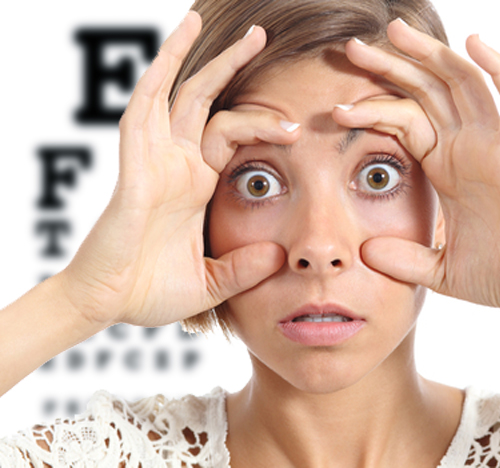
Dreaming up details can be intoxicating. But that buzz, my dear, is keeping you from seeing clearly. You are writing with beer goggles on.
While that’s commonly translated to mean, “There are no ugly women in the bar at closing time,” the science behind consuming alcohol reveals the truth. A bartender bellowing, “Last call!” does not make anyone appear more attractive. Booze inhibits the brain’s ability to make good decisions. No problem – if you couldn’t care less who you wake up next to in the morning.
But the hallmark of good writing, and great storytelling, is deliberate decision-making. Creating a screenplay requires thousands of decisions. In a strong script, each choice contributes to telling the story. That is artistry.
Your thirst for “artistic freedom” is simply pleasuring yourself. Your true desire should be for your story to gratify an audience.
Dreaming up small details before putting the steel beams of structure into place is creating a story ass-backward. You’re taking aim without a target, playing “Pin the Tail on the Donkey.” If that’s too dated a reference for the youngsters out there, substitute “whacking at a piñata.” Or scrap the metaphors altogether and acknowledge the sobering truth.
This willy-nilly approach to writing, which may entertain you at first, is most likely to get you stuck in an endless loop of rewriting. Ultimately a huge waste of your time and energy, as you try to make an unsuccessful script better, rather than creating a successful story before you type “Fade In.”
You cannot make decisions that meet the needs of the story when you don’t know what your story truly is about. You cannot know this until you can clearly see the big picture – knowing your hero, his conflict, his arc, the theme, and the structure. An outline is a powerful tool for envisioning your story in 3-D.
Ready to master structure? Click here for information on The Big Ideas Screenwriting Intensive. Get and amazing Structure Template plus SIX months of mentorship to turn your idea into a outline that will make your first drat polished and honed rather than in need of months of ripping apart and rewriting.

Since you consider yourself artsy, let’s try this example. French Post-Impressionist painter Georges Seurat created the painting technique known as pointillism in which tiny juxtaposed dots of multi-colored paint allow the viewer’s eye to blend colors, rather than having the colors physically blended on the canvas. His famous work, A Sunday Afternoon on the Island of La Grande Jatte, took two years to complete. Most of which he spent sketching in the park before painting a single dot. That would be the painter’s version of an outline. Discover more about Seurat’s work and career here.
I could condone you binge-watching TV, getting high on life or hopped up on caffeine, but writing without an outline is best qualified as drunk and disorderly. Don’t expect my stamp of approval.
At first, outlining may make you feel like your hands are tied, but the restrictions will actually free you. Ultimately, you will be able to go deeper and achieve something bigger and better than ever before. With the penetrating insight provided by a sizable outline, your story will reach new heights and get there faster.
Now that’s some persuasive innuendo.
No necktie required.